Think of this Switzerland travel guide as a starting point: a brief overview of the main things to consider before planning a trip to Switzerland. Each topic (transport, travel passes, accommodation, costs, seasonal planning, hiking logistics and itinerary ideas) will be developed in more detail in separate articles, which I will link under the relevant chapters as they are published.
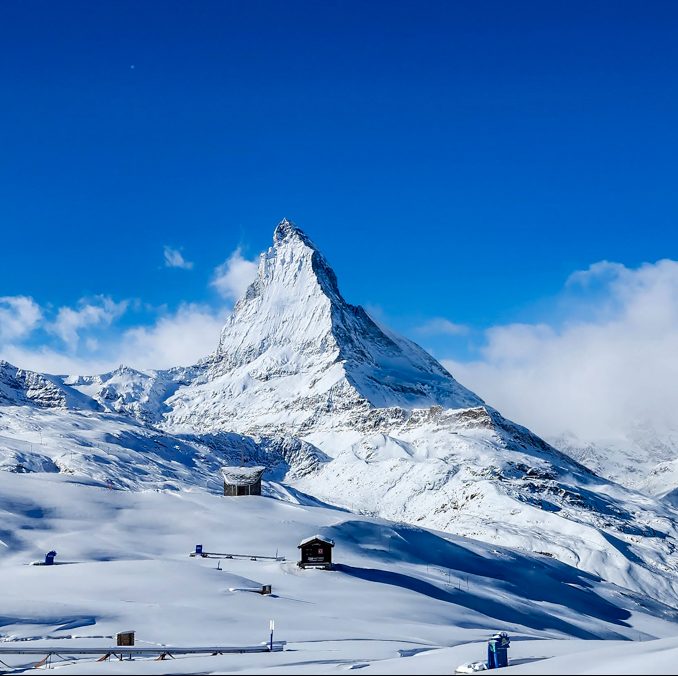
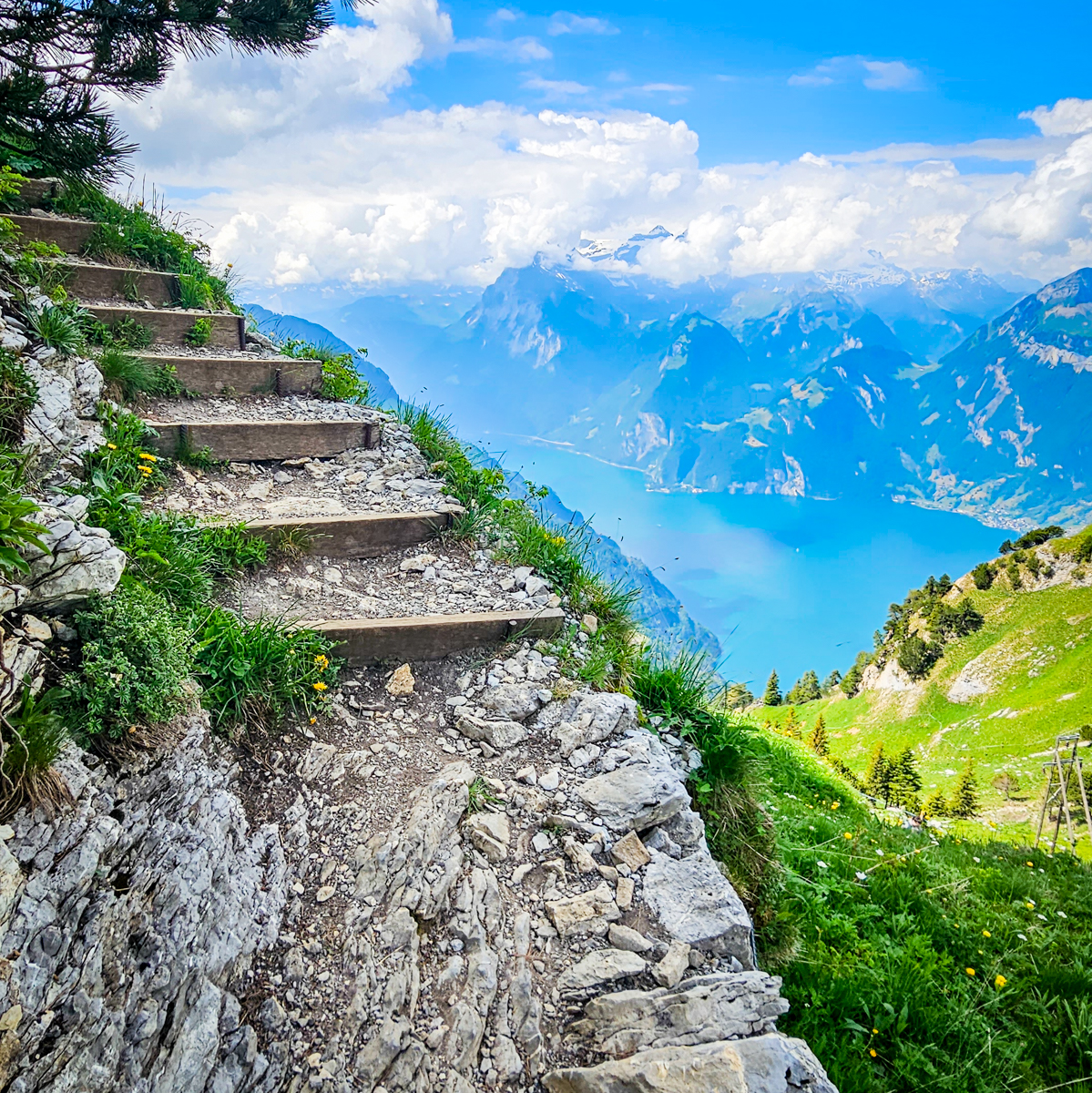
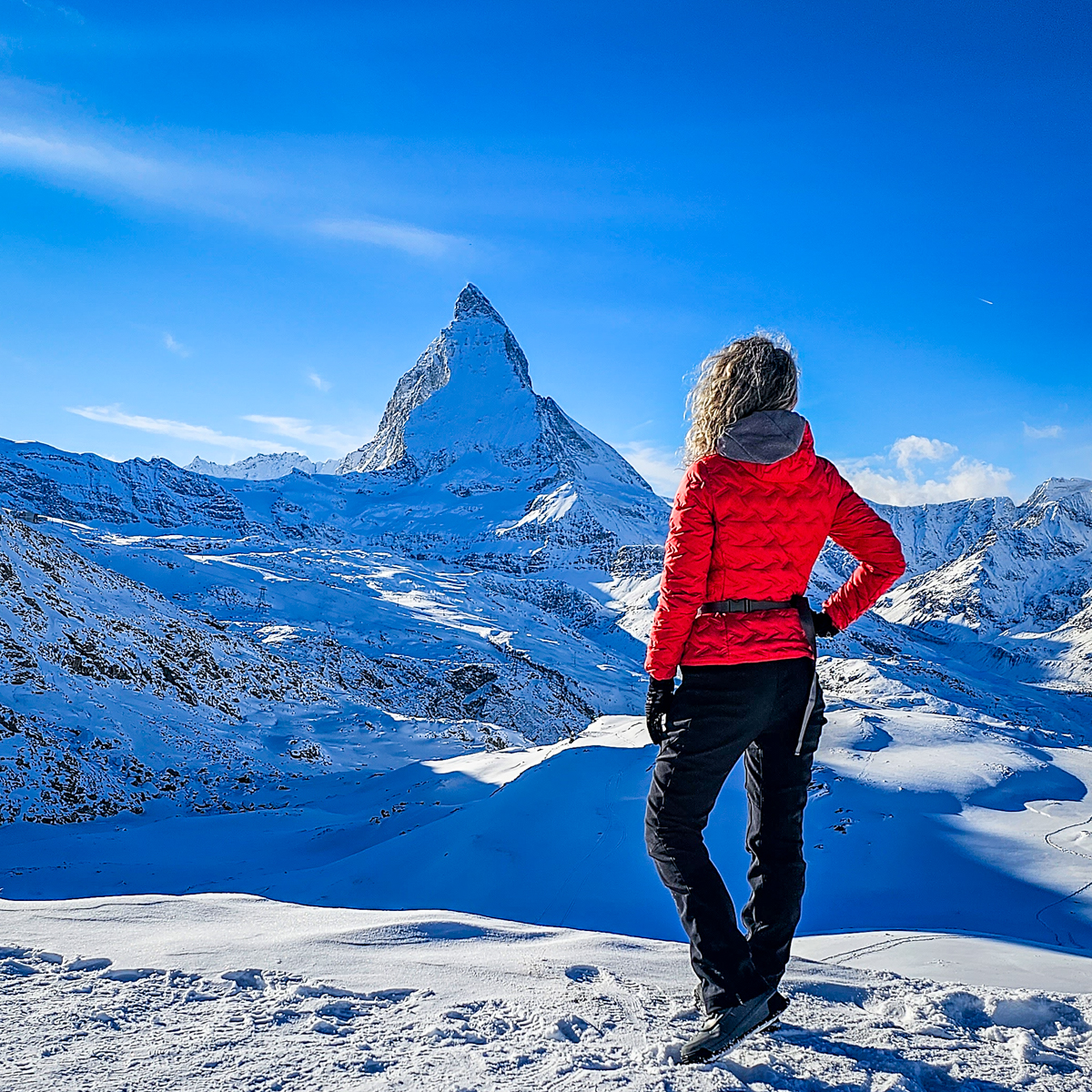
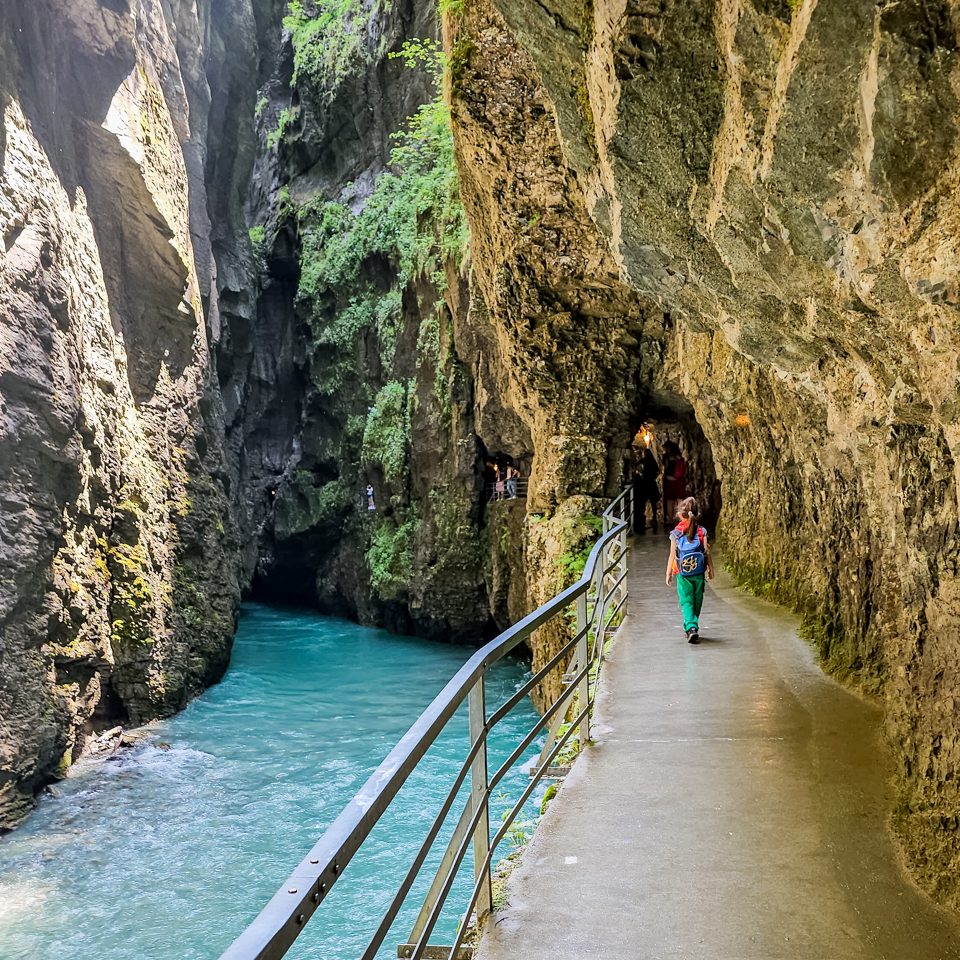
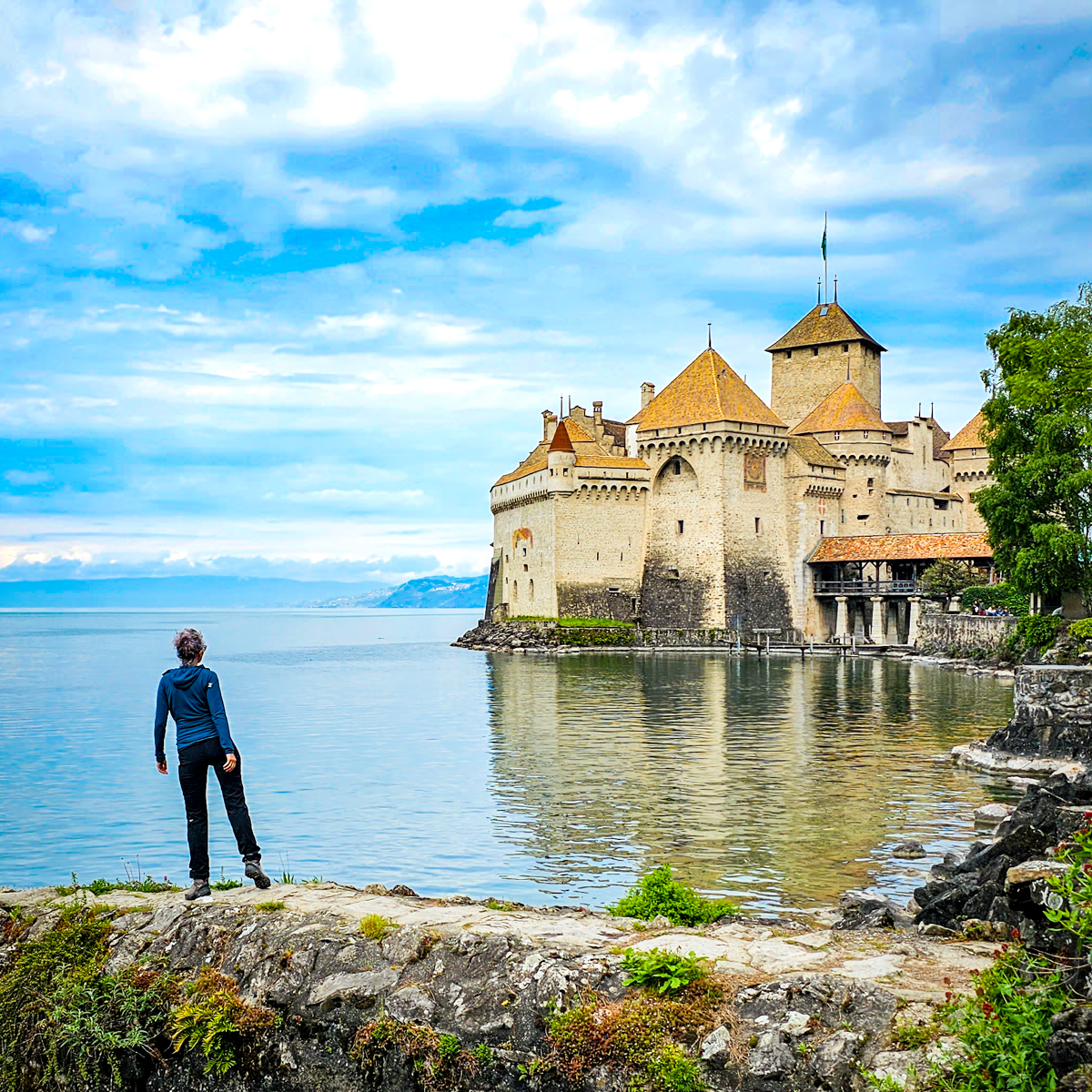
Switzerland
In this Switzerland travel guide, you will find practical information to help you organise your trip more efficiently, with details about transport, the best seasons to visit, and a few useful tips for making smarter budget decisions along the way.
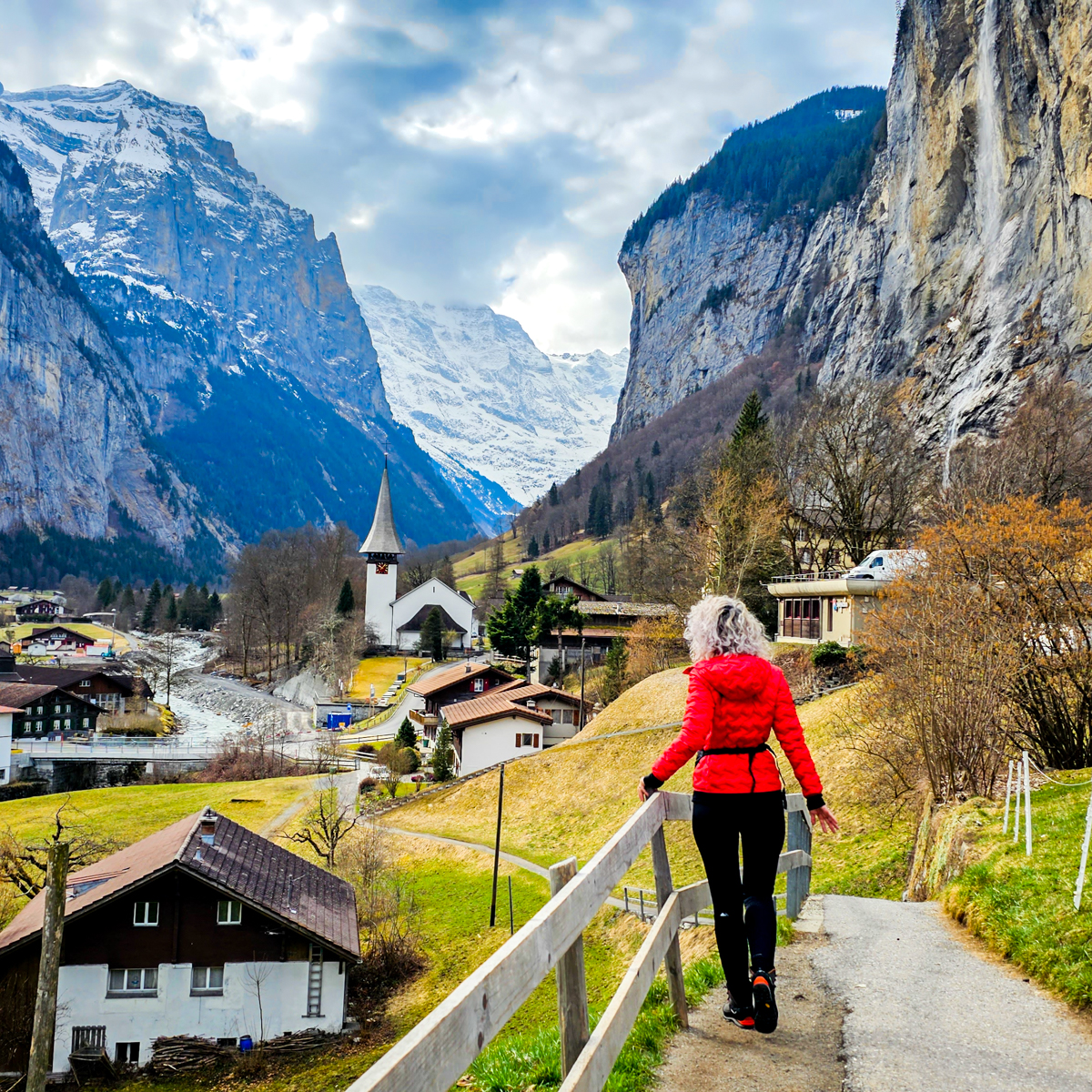
Over time, I will keep adding suggestions for places to visit and experiences that may be a little less obvious for international travellers, to help you shape an itinerary that matches your travel style. Famous places such as Lauterbrunnen and the wider Jungfrau Region became popular for a reason that is very easy to understand: they are beautiful. But they can also become very crowded and expensive, even by Swiss standards.
❗Every traveller has different preferences and priorities, and this also affects the way they choose to manage costs. This is not an article about planning a cheap trip to Switzerland, but rather one with useful information to help you plan your trip and allocate your budget more efficiently, depending on the type of experience you want.
This article will be updated regularly as I continue to explore, slowly and thoroughly, the country I now call home.
Contents:
Best time to visit Switzerland: when to go depending on your travel style
Switzerland has two main tourist seasons: summer and winter, each with its own activities and attractions. On most local tourism websites, you will find clear programmes for these two seasons, while spring and autumn are often partly included in one of them or left out almost completely. But let’s take them one by one.
Winter: December to mid April
Winter is the season for winter sports. If you enjoy skiing or snowboarding, resorts such as Zermatt or St. Moritz are among the most popular options. There are, however, many other less famous resorts where you may find something more suitable for your style and budget, more affordable compared to the big names, not necessarily compared to other countries.
In general, the ski season starts in December and continues until late April in some areas. In high-altitude resorts such as Zermatt, skiing is sometimes possible even into May.
Beyond skiing and snowboarding, winter in Switzerland also offers ice skating, sledging, winter hiking trails, panoramic train rides, museums and, of course, chocolate factories. From the end of November until Christmas, many cities host popular Christmas markets, including Basel, Zürich, Montreux and Lucerne, with traditional food, handmade products and a festive atmosphere.
This is also a very good season to enjoy a fondue or, my personal favourite, raclette.
❗Many popular Christmas markets in Switzerland close immediately after Christmas, or even after Christmas Eve.
Late April, May even early June
April, especially the second half of the month, and May are transition months. Many cable cars and mountain railways are closed for maintenance during this period. This affects access to certain tourist spots, and many scenic hiking trails are still closed.
The exact dates vary a lot depending on the region and altitude, which makes planning more demanding if you want to visit Switzerland during this time of year. The most spectacular hiking trails are often still closed in May, and sometimes even for a good part of June, especially at higher altitudes. However, with good planning, you can still have a very nice experience. The key is to set your expectations right, plan accordingly, and always have a plan B for rainy weather.
Summer: June to August
Summer is ideal for those who want to hike, cycle, or swim in Alpine lakes. Pleasant temperatures, usually between 18°C and 28°C, make these months a very good time for exploring nature.
If you are planning a trip during this period, mountain lifts and cable cars generally open, making access to mountain trails much easier. However, the best time to visit Switzerland in summer depends a lot on your preferences and on the type of trip you are planning.
July and August are peak season months, which means you usually have the best chances of good weather, but also more crowds, higher prices, and less flexibility. In some popular areas, accommodation and public transport (especially panoramic trains or mountain railways) should be booked in advance.
Some hiking trails, especially those at higher altitudes, only open in July, but may remain accessible until mid or late October, depending on the weather conditions. September can be a very good balance: many hiking trails and mountain lifts are still open, the number of tourists usually starts to decline, and prices may be a tad lower than in July and August. That being said, do not expect Switzerland to become a decent-cost destination outside peak season. It is simply a period when you may find a better balance between access to mountain trails, fewer crowds, and slightly more reasonable prices.
September and October
September usually offers many of the same advantages as the summer months, often with slightly fewer crowds. Most cable cars and mountain railways remain open until the end of September or even end October or mid November, so you still have good access to mountain attractions.
In October, especially in the second half of the month, the weather becomes more unpredictable and some hiking trails start to close.
This period of autumn also brings many cultural events, such as the descent of cattle from the Alpine pastures and traditional autumn festivals.
November
November is known locally as a maintenance month. Many mountain lifts and cable cars are closed during this period as they prepare for the ski season.
If you are planning to hike in November, your options may be limited. Snow can already start to settle on higher-altitude trails, and many routes close or become unsafe without winter hiking experience and proper equipment. I would only plan a trip during this period with a very solid backup: indoor activities, flexible city visits, scenic train rides, or road trips that can be adjusted quickly depending on the weather.

My suggestions
1. June and September seem to me like the most suitable months for a trip to Switzerland: good chances of pleasant weather, but outside the peak July-August season, which usually comes with more crowds and higher prices. This does not mean famous places will be empty, and I still recommend booking well in advance. During the week, however, the crowds are usually more manageable.
Choosing between June and September depends a lot on the type of trip you are planning. If you are interested in hiking at higher altitudes, September is usually a better option, as many trails only open in July and remain accessible into early or mid-autumn, depending on the weather. If your itinerary focuses more on towns, scenic train rides, cable cars, lake areas, and lower-altitude hikes, June can be a very good choice.
In Switzerland, the summer school holiday is generally in July and August, and by September 1st children are usually back at school, which also helps reduce the number of visitors in many places.
2. If you are planning a trip to Switzerland in April, May or October, research very carefully in advance. Check which hiking trails are open, what indoor alternatives you have, and keep your programme as flexible as possible. Sometimes the weather forecast changes overnight. During these months, we often open MeteoSwiss in the morning and decide what plan to follow depending on the weather.
How to get to Switzerland: airports and arrival points
Switzerland is accessible by several means of transport. You can arrive by car as part of a wider road trip, or by train if you are already travelling through Europe. However, since most international visitors arrive by plane, this section will focus mainly on airports and flights.
If you are planning to drive to Switzerland, the section below about getting around Switzerland by car will still be useful, especially when it comes to parking, mountain access, car-free resorts, and deciding whether a rental car really makes sense for your itinerary.
Switzerland is well connected to the rest of Europe and to many long-haul destinations, so choosing where to arrive should depend less on “the main airport” and more on the itinerary you want to follow.
The three most useful airports for most travellers are Zurich Airport (ZRH), Geneva Airport (GVA), and Basel EuroAirport (BSL). All three are well connected to the Swiss public transport network, although Zurich and Geneva have train stations directly at the airport, while Basel Airport is connected to Basel’s main train station by bus.
Zurich Airport — ZRH
Zurich Airport is usually the most convenient option if your itinerary focuses on central or eastern Switzerland. It works well for trips that include places such as Zurich, Lucerne, Appenzell, St. Gallen, the Bernese Oberland, Graubünden, or Ticino.
It is also a good choice if you want the widest range of international flight connections or if you are planning a round trip through several regions of Switzerland. Zurich Airport is very well connected by train, with frequent services to Zurich main station and onward connections across the country.
Geneva Airport — GVA
Geneva Airport is a good entry point for western Switzerland and the Lake Geneva region. It is convenient for itineraries including Geneva, Lausanne, Montreux, Lavaux, Gruyères, and the Valais region, including Zermatt.
It can also be a practical option if you are combining Switzerland with parts of France, especially the French Alps.
Basel EuroAirport — BSL
Basel EuroAirport is located close to the borders of Switzerland, France and Germany, which makes it useful for trips that include Basel, northern Switzerland, Alsace, the Black Forest, or a wider multi-country itinerary.
It can also be a smart option if you find better flight prices to Basel than to Zurich or Geneva, but always check the onward transport costs before booking. Sometimes the cheapest flight does not lead to the cheapest overall journey.
Transport in Switzerland: car vs public transport
Switzerland offers several options for getting around, each with its own advantages and disadvantages. Choosing between a car and public transport is not always straightforward, and the decision depends a lot on your itinerary and associated costs.
It is important to remember that there is no universal “best” option, only the option that best fits your needs. To give you an example of this “it depends”: although we usually prefer the train, there are destinations where we choose to drive. From the town where we live to Lauterbrunnen, the journey would take 3 hours and 20 minutes by public transport and require two changes, while by car it takes around 2 hours. On the other hand, we have a direct train to Lugano that takes 1 hour and 30 minutes, while driving would take almost three hours.
When calculating whether or not to rent a car for a trip to Switzerland, keep in mind that many tourist regions offer free guest passes to visitors staying at partner accommodation. These cards can include several benefits, such as free or discounted local public transport, cable cars and entry to tourist attractions.
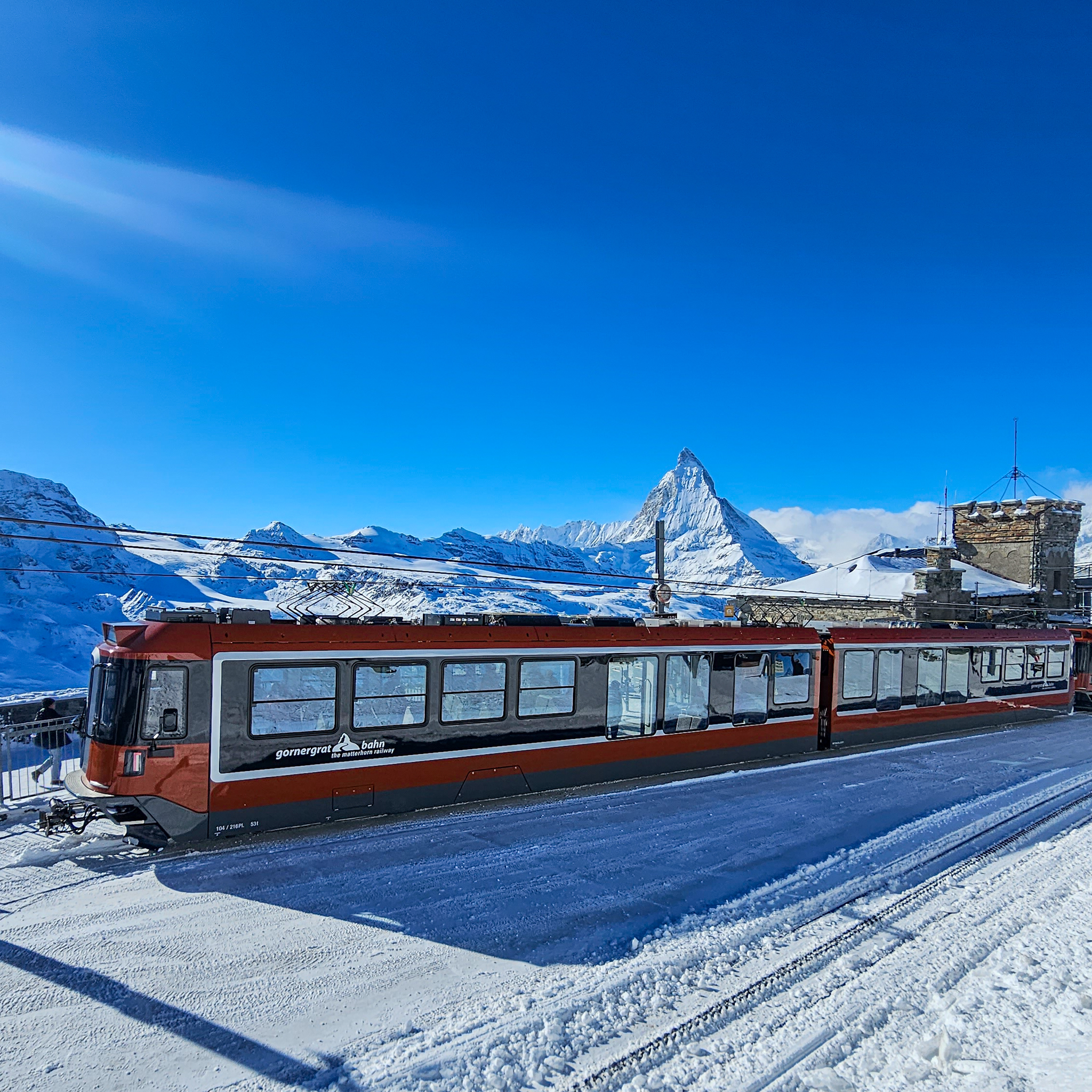
For example, in the Bernese Oberland region, guest cards may include free use of local buses and trains. In Engadin St. Moritz, the Mountain Railways Included Pass gives unlimited access to cable cars and funiculars in the area for guests staying for a longer period.
These guest passes can significantly reduce costs and simplify transport, so they are worth considering before deciding to rent a car.
Always check whether your accommodation offers such benefits, what they include, and under which conditions you can use them.
Travelling by car in Switzerland
✅ Renting a car in Switzerland gives you more flexibility. You can adjust your route more easily and stop whenever you want to enjoy the scenery.
✅ Sometimes, though not always, driving can be faster or more convenient, especially if you have a lot of luggage or travel with small children.
✅ For several people travelling together, a car can sometimes be the cheaper option overall. But this is not always the case. It depends on the number of travellers, the route, and the specific itinerary.
However, there are a few things to keep in mind.
❌ Parking costs
Parking in Switzerland can be quite expensive, especially in large cities or tourist resorts. Prices can reach CHF 4 per hour, and sometimes even more. Parking areas can also be very crowded, and you may not always find a spot close to the main tourist attractions. Quite often, public transport stops are closer to the sights than car parks.
❌ Crowded car parks
In ski resorts and popular tourist towns, car parks can fill up quickly, especially in peak season. You may end up parking farther away from your destination, which can mean more time lost.
❌ You may still need public transport
Even if you rent a car, you may not be able to avoid public transport completely. Some towns, such as Zermatt, are car-free and can only be reached by train. Many mountain attractions are also accessible only by funicular, cable car, mountain railway or on foot, via hiking trails. (Many of these trails are not easy and require proper equipment and a good level of fitness.)
Travelling by train in Switzerland
Switzerland is known for its very efficient and well-connected public transport system, which makes train travel a popular choice for visitors.
Here are some of the main advantages.
✅ Excellent connectivity
Even remote mountain villages are often accessible by train or bus. The Swiss railway network is one of the most efficient in the world, offering fast and comfortable connections between large cities and mountain resorts.
✅ Panoramic trains
If you want to enjoy mountain scenery without having to drive, trains such as the Glacier Express, Bernina Express and GoldenPass Line offer scenic routes through some of Switzerland’s most beautiful landscapes.
✅ No parking stress
Travelling by train removes the stress of finding and paying for parking, especially in busy tourist areas. Public transport stops are often much closer to the main attractions than car parks.
✅ Flexible travel passes
There are several types of tickets and passes that can help reduce costs. Whether they are worth it depends entirely on your itinerary and planned activities.
The Swiss Travel Pass gives unlimited access to trains, buses and boats for a fixed period. The Swiss Half Fare Card allows you to travel at half price. For day trips, a Saver Day Pass can also be a good option.
The main disadvantages are:
❌ Less flexibility
❌ Sometimes a higher total cost, especially when several people travel together
How to choose the transport option that best fits your trip
If you plan to explore several regions and use cable cars, panoramic trains or funiculars to reach mountain viewpoints, the Swiss Travel Pass may be the best option, giving you the freedom to travel without buying separate tickets every time.
If you rent a car, keep in mind that parking can be expensive and that you may still need public transport in places such as Zermatt or in many mountain resorts.
If you only plan to explore one region, a Regional Travel Pass may be more cost-effective. These passes cover local transport and often offer discounts for tourist attractions. For example, the Berner Oberland Regional Pass includes public transport across the Jungfrau Region and other important mountain destinations.
In conclusion, whether you choose public transport, a car, or a combination of both, each option has advantages and disadvantages. Plan your itinerary and budget carefully, including less obvious costs such as parking or the need to use local transport in certain areas.
Switzerland travel costs and budget planning tips
This is such a broad topic that I will cover it in more detail in separate articles and add links later. In general, however, Switzerland is known for its high costs and is one of the more expensive travel destinations in Europe.
Careful budget planning is important if you want to make the most of your trip, especially because transport, accommodation, food and tourist attractions can vary significantly in price.
1. Transport
Public transport is very efficient, but it can also be expensive. For example, a standard train ticket between Zürich Main Station and Basel Airport can cost between CHF 42 in second class and CHF 69 in first class. This is why I recommend looking carefully at the Swiss Travel Pass, Swiss Half Fare Card and regional passes available for the destinations included in your itinerary.
2. Accommodation
Accommodation prices can vary significantly depending on the city and season. In large cities such as Geneva or Zürich, a room in a 3-star hotel can cost between CHF 150 and CHF 250 per night. If you travel with children and need a room that can accommodate three or more people, the price can increase considerably.
What I have noticed and what may be useful:
- Some hotels do not appear on platforms such as Booking.com, appear as unavailable, or do not show certain room types there. More than once, I managed to book the room I needed directly on the hotel’s website, even though it was not listed on other platforms. Since we travel as a family of three, this detail often makes a difference.
- Search for accommodation options listed on the regional tourism website of the area you want to visit, as well as on MySwitzerland. On the latter, you can also find apartments, farm stays and other types of accommodation.
3. Food
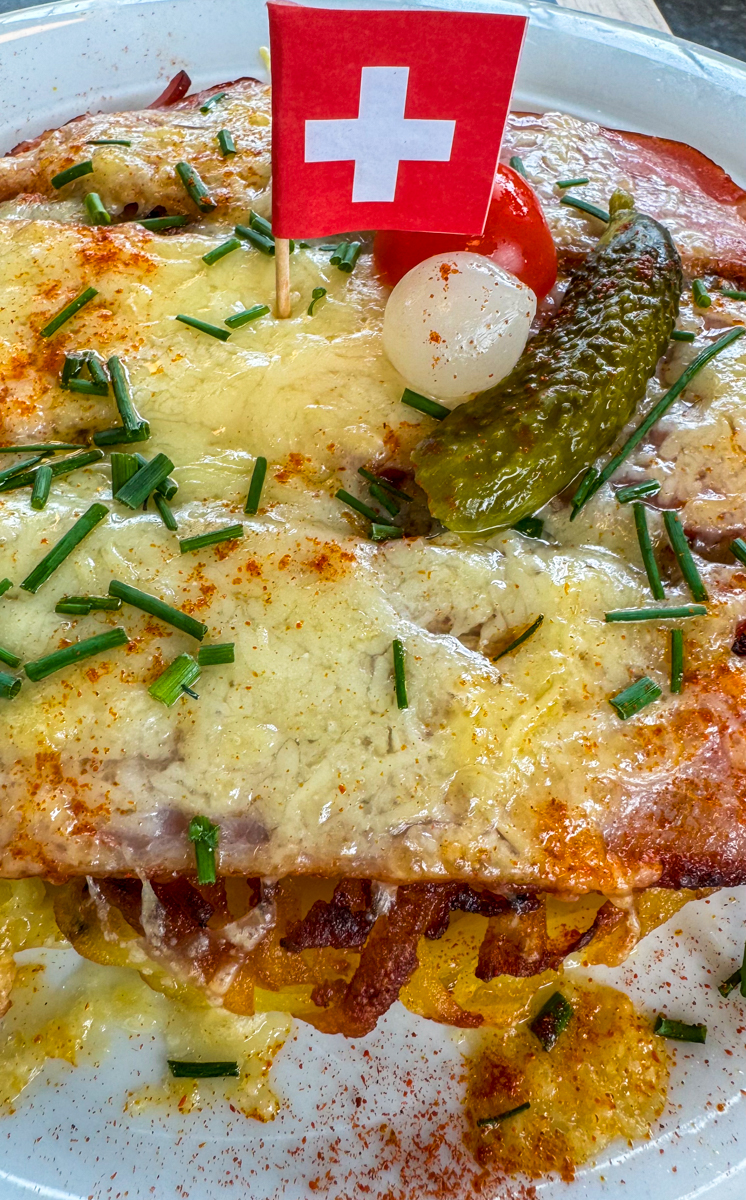
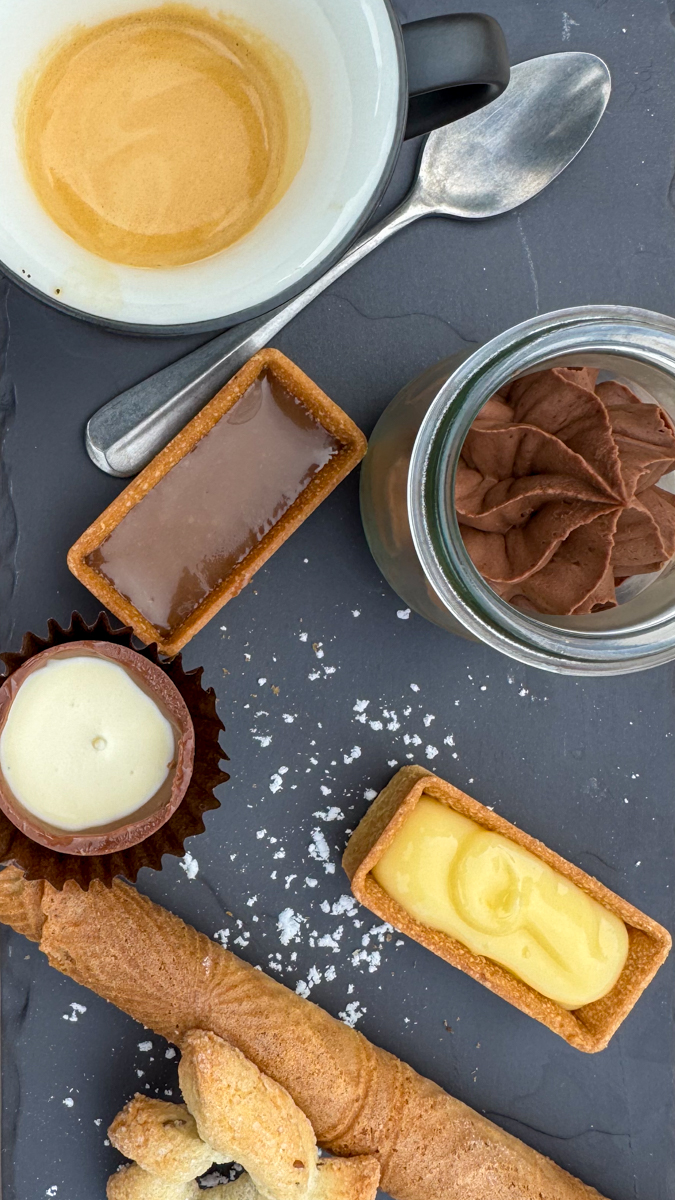
The price difference between home-cooked food and restaurant meals is significant in Switzerland, much higher than in other parts of the world.
In a regular table-service restaurant, you can easily pay around CHF 35 for a schnitzel. In mountain huts and mountain restaurants, you will often find self-service restaurants with slightly lower prices, as in lower compared to regular restaurants, not low in absolute terms.
To save money in cities, you can look for restaurants inside supermarket chains such as Migros and Coop, where a main dish with meat and a side can cost around CHF 13–20. If you visit Switzerland in summer, I also suggest considering picnics. For supermarket shopping, Lidl and Aldi are usually more budget-friendly options than Migros or Coop.
4. Tourist attractions
Many attractions are included or significantly discounted with the Swiss Travel Pass and/or regional passes. Check this when booking accommodation as well. Sometimes paying CHF 50 more for a hotel can save you more than that in transport or attraction costs, especially if the accommodation includes a useful guest card.
5. Parking
If you rent a car, parking can cost between CHF 2 and CHF 5 per hour in large cities, and even more in tourist resorts. Fuel is around CHF 1.97 per litre, and car rental usually starts from around CHF 50 per day.
Before booking accommodation, check whether parking is included or available for an extra fee, as this can make a noticeable difference in the final cost. In some very popular mountain destinations, cable cars or funiculars may also offer the option to book parking in advance, which can be useful during weekends, holidays or peak season. It is worth checking this before you arrive, especially if your itinerary includes well-known viewpoints or mountain resorts where parking fills up quickly.
If you rent a car in a neighbouring country and drive into Switzerland, first check whether a Swiss motorway vignette is already valid for that car. You can do this on the official Swiss Via portal, using the vehicle’s licence plate.
If the car does not already have a valid vignette, you will need to buy one before using Swiss motorways. Switzerland only has an annual vignette, which costs CHF 40; there are no daily, weekly or monthly options. You can buy either the classic sticker vignette or the digital e-vignette from the above mentioned portal.
Final thoughts
A trip to Switzerland brings together mountain scenery, varied activities and excellent tourist infrastructure. Whether you are planning an active holiday in the mountains or a relaxed city break, careful planning will help you make better use of your time and budget.
Switzerland is a destination that rewards good planning: not because everything needs to be rigid, but because transport, weather, costs and mountain access can change the experience quite a lot.
You can also follow me on Facebook and Instagram, where I regularly share new destination ideas and useful travel tips.
Switzerland travel ideas: places to visit and experiences to try
0


May 20, 2026