

Top

Namibia

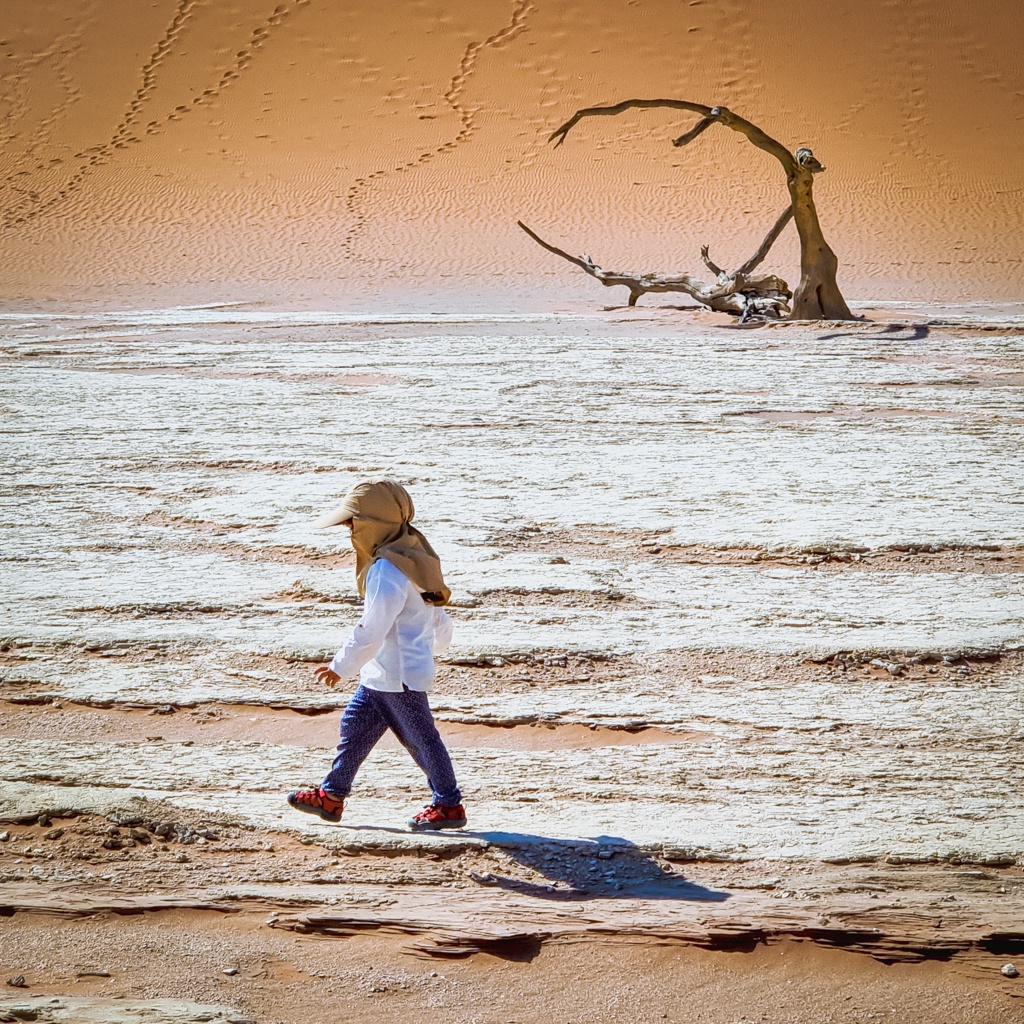
Namibia had been on my travel wishlist ever since I first saw photos of Dead Vlei. But once I started planning the trip, I quickly realised there was much more to this country than that one surreal landscape.

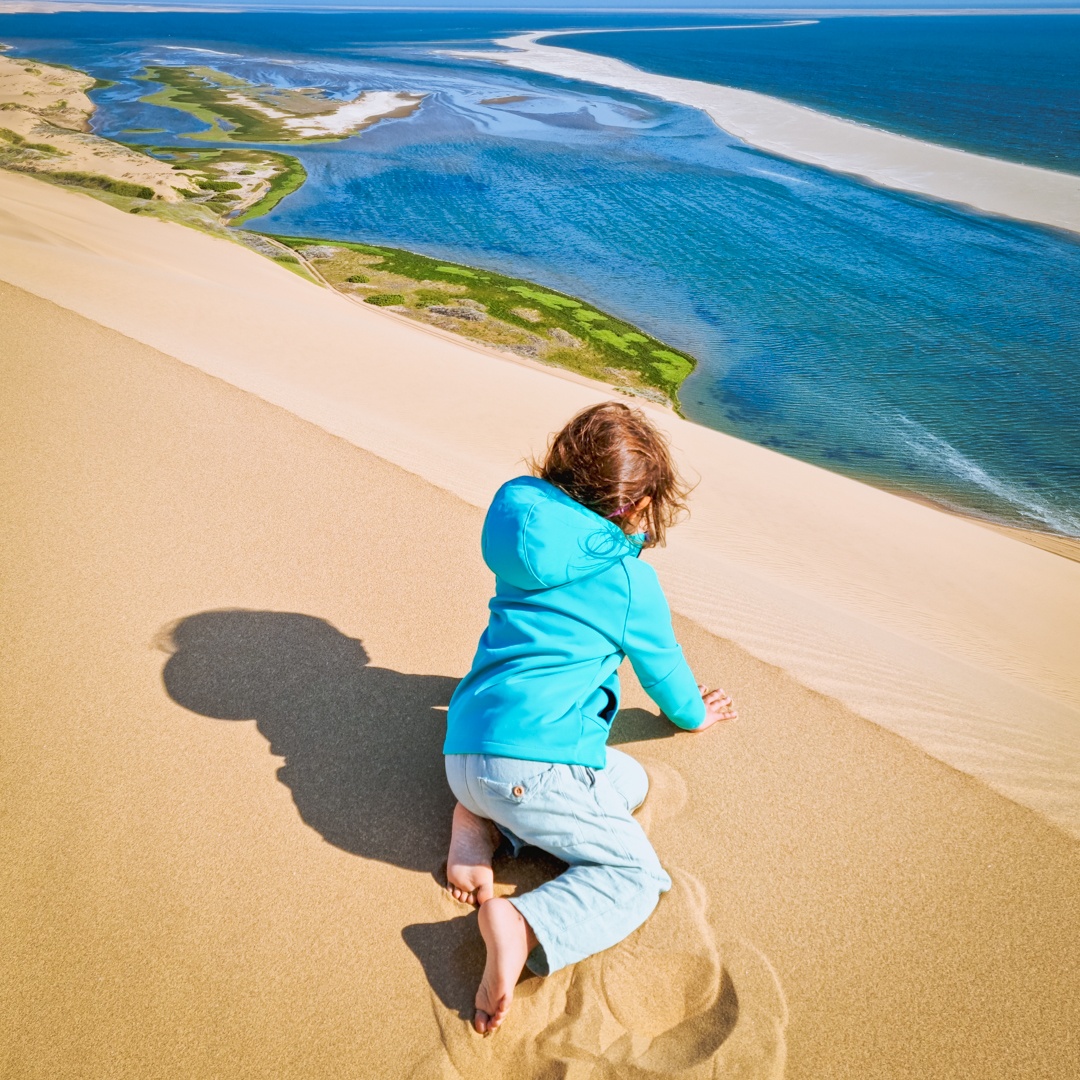
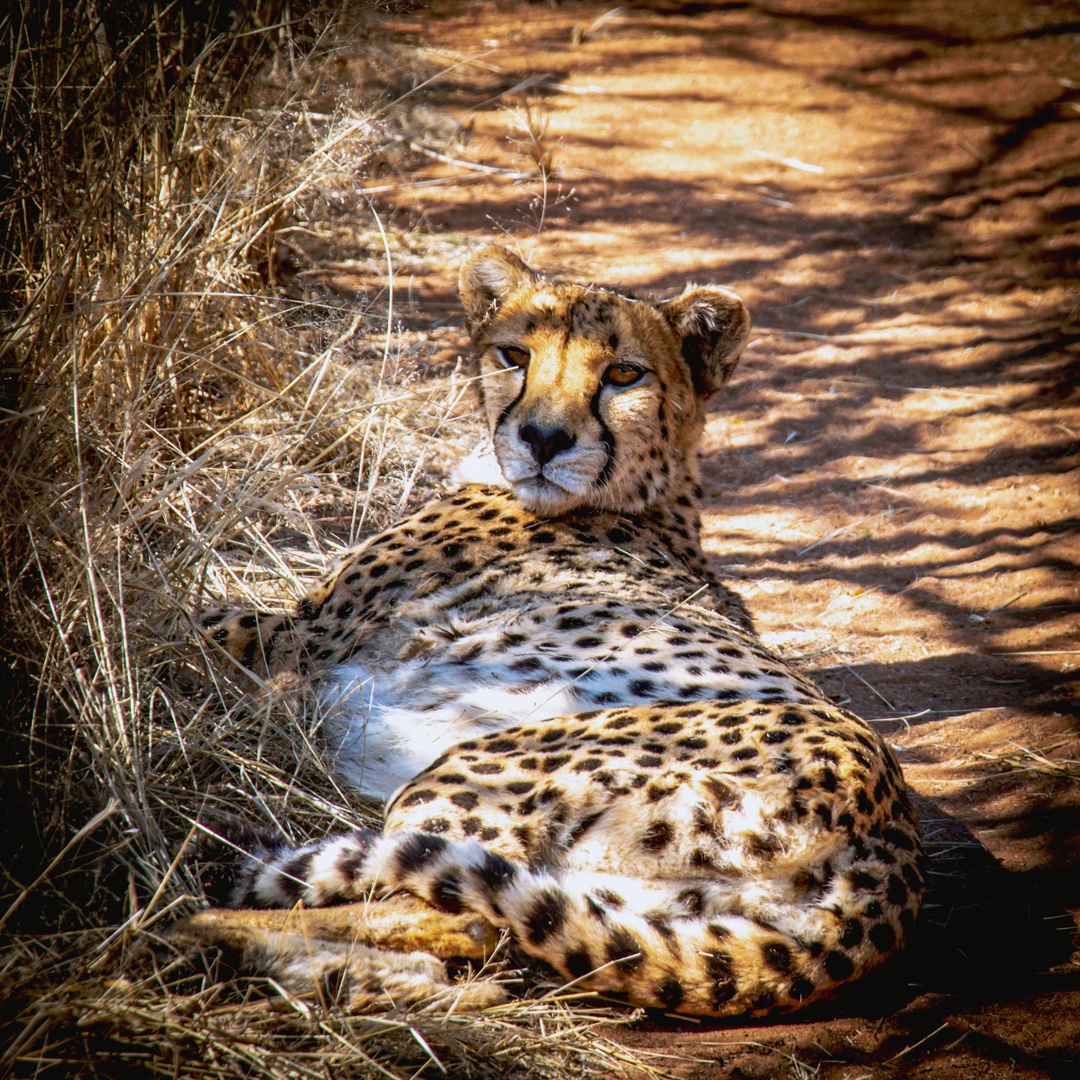
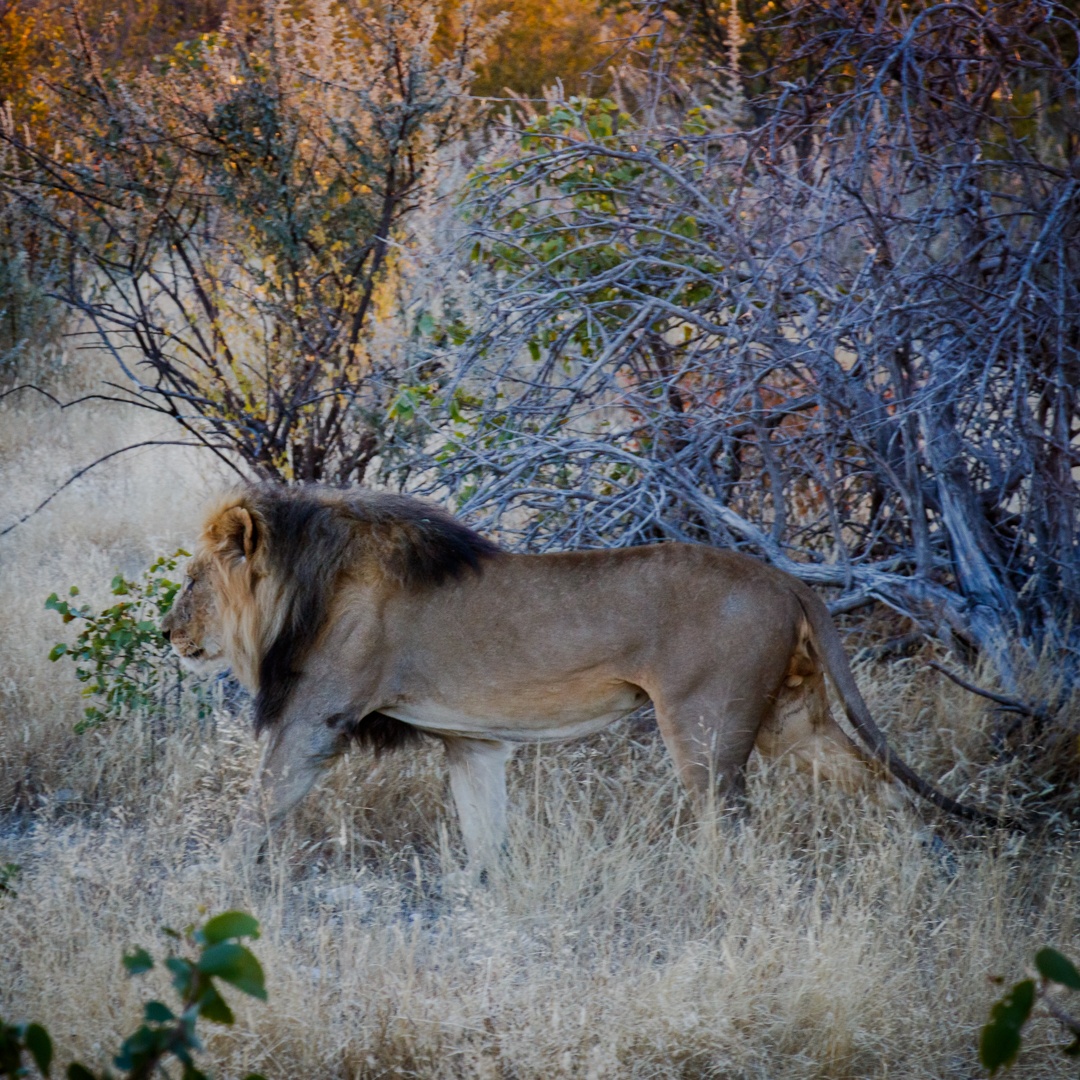
For us, Namibia turned out to be one of those journeys that stays with you: vast desert scenery, long empty roads, wildlife, dramatic coastlines, and moments that felt very different from anything we had experienced before. It was also our first safari and our first trip to Sub-Saharan Africa, which made the whole experience feel even more memorable.

On this page, I’ll gather the articles, impressions and practical information that can help you start planning your own trip to Namibia.
Namibia in brief

Namibia is located in the south-western part of Africa, with the Atlantic Ocean on one side and South Africa, Botswana, Zambia and Angola as neighbours.

Although this land has been inhabited since prehistoric times, Namibia is a relatively young country. It gained independence from South Africa on 21 March 1990, after the Namibian War of Independence.

Capital: Windhoek
Area: 825,615 km²
Population: around 2.5 million people

Namibia is a vast country with a very low population density. To put this into perspective, it is almost 20 times larger than Switzerland, but has less than a third of its population. And you really feel this when travelling through the country: towns are often far apart, distances are long, and there are places where the road seems to disappear into the horizon.

A large part of Namibia is covered by desert, and the country is considered one of the driest in Africa. This also explains much of its character: wide open spaces, arid landscapes, and a feeling of remoteness that is hard to describe until you experience it.

English is Namibia’s official language, but it is only one part of the country’s linguistic landscape. Namibia has around 12 nationally recognised languages, while close to 30 languages are spoken across the country, depending on the region and community.

Weather and best time to visit Namibia, depending on your itinerary

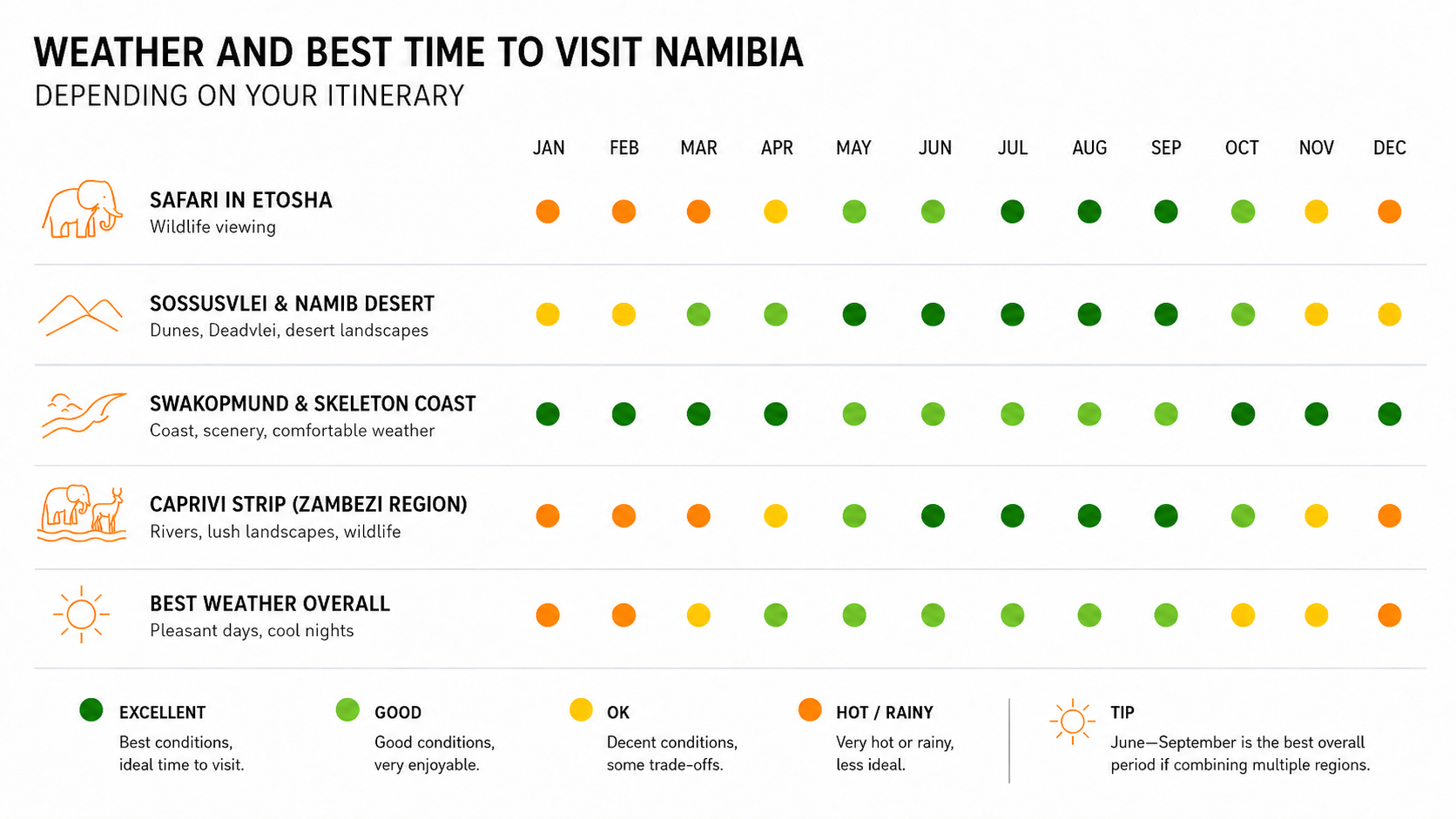
Namibia can be visited year-round, but the best period depends on the route you have in mind. Etosha, Sossusvlei, Swakopmund, the Skeleton Coast and the Zambezi Region each have slightly different seasonal logic.

For a first trip, June to September usually offers a good balance between dry weather, comfortable temperatures and wildlife viewing. Etosha gets better as the dry season progresses, while for Sossusvlei and the Namib Desert, cooler months are more pleasant because the sand can get incredibly hot.

The visual guide below gives a quick overview by region and type of experience.

infographic when to visit Namibia - weather
0

post a comment